Digital Marketing


November 26, 2026
The shoot everyone loved isn't always the ad that gets the budget. What that gap is telling you.
Estimated Read Time: 4 minutes
AdPipe is a creative intelligence platform for enterprise marketing teams. It shows why your ads work, and its agent, AdPipe MCP, makes more ads from footage you already own.
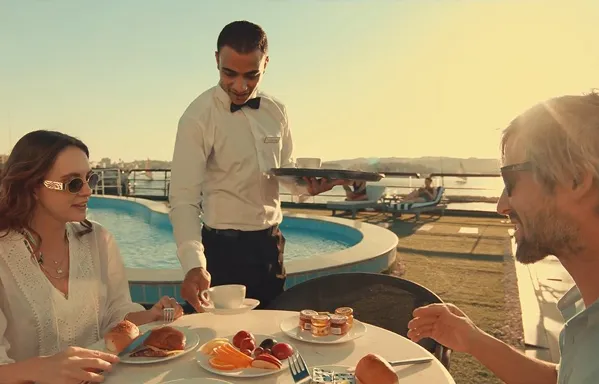
Picture the shoot. A great location, golden-hour light, people laughing in a kitchen that looks like a magazine spread. The director has a moodboard. The brand team has a story about how the product fits into a life worth wanting.
At the end of the day, someone grabs a few clean product shots. The pack on a plain background. A slow turn. A close-up of the label. Those go to the performance team as "the extra cuts."
A few weeks later, the campaign is live. The lifestyle spots look beautiful. The extra cuts are quietly doing most of the work.
It plays out well beyond one shoot.
When AdPipe analyzed 21,038 Meta ads for the AdPipe Pulse Report 2026, it compared what teams made with where the money went. Lifestyle ads show the product as part of a scene or a way of life. Product hero ads are built around the product itself, like a clean product shot or a launch spot. Lifestyle is 25% of the ads teams make and gets 10% of the spend. Product hero is 12% and gets 28%.
Put plainly: a quarter of the production effort goes into a style that gets a tenth of the budget. And the style teams treat as an afterthought gets more than double its share.
Every lifestyle spot that doesn't get funded is a real cost. Someone paid for the location, the crew, the edit, and the review rounds. If most of that work is barely seen, the problem is the mix, not the creative team's effort.
Before anyone cancels the next lifestyle shoot, one caveat matters.
Meta decides how budget moves between the ads in an ad set, and it doesn't always pick the best ad. According to the AdPipe Pulse Report 2026, the ad Meta funds most is a bottom-third performer 23% of the time.
So low spend doesn't prove a lifestyle ad is weak, and high spend doesn't prove a product hero ad is strong. What spend does show is what audiences see. And right now, they're mostly seeing the product.
That makes the gap worth investigating, not worth panicking over.
Want the full made-versus-funded breakdown? Get the AdPipe Pulse Report 2026.
Product hero creative does one thing very well. It makes the product the first thing a viewer sees.
That lines up with another pattern in the same report: ads that show the product in the first three seconds win 63% of head-to-heads.
Our read is that lifestyle often loses on timing, not taste. A lifestyle spot that spends its first seconds on a mood, a setting, or a face is asking the viewer to wait for the point. A product hero spot gets there immediately.
Lifestyle can still be the right call. It just needs to work the way the funded creative works.
Open on the product. Start the lifestyle spot with the item in frame, then widen into the scene around it. The mood can still carry the ad. It just shouldn't hide the point.
Check your own mix. List what share of your live ads each style makes up, then what share of spend each style received. If your numbers look like the report's, you're overproducing the style that gets seen least.
Make fewer, better lifestyle pieces. Every lifestyle spot that barely runs is budget that could have gone to more versions of what's working.
Get more from the shoot you already did. That golden-hour footage doesn't have to stay a lifestyle spot. Cut it into a version that opens on the product, and test it against the original.
For more on why producing more isn't the answer, see More Creative Isn't the Answer for Retail Marketing. Seeing What's Already Working Is.
AdPipe reads the ads you already run and ties creative traits to results across the funnel, so you can see which styles are earning their spend and which aren't. Its agent, AdPipe MCP, builds new ads from footage you already have, based on what won, including product-first cuts from the lifestyle shoot. Your team approves each one or leaves a note on the frame.
Once ads run, the weakest gets swapped for a new ad built from what won, and every trait tested goes into the next brief. So the next shoot starts from what the last one proved.
See where your money is going. Get your free creative insights
November 26, 2026


November 24, 2026